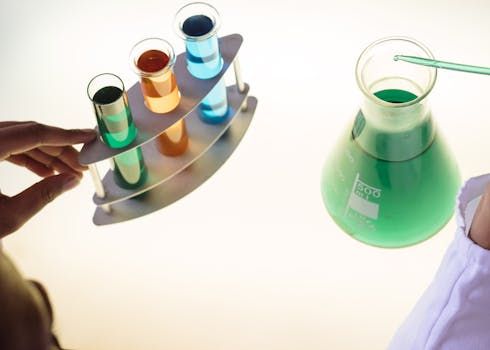
Liquid crystals. The very name conjures images of sleek displays, from our smartphones to massive televisions. But beyond the everyday ubiquity of these fascinating materials, lies a world of cutting-edge research, pushing the boundaries of what’s possible. Have you ever stopped to think about where the groundbreaking discoveries in this field originate? It’s a question that dives deep into the heart of scientific advancement. Identifying the most important universities for liquid crystal technology isn’t just about ranking institutions; it’s about understanding the nexus of talent, resources, and vision that fuels progress.
This isn’t a simple popularity contest. Rather, it’s an exploration into academic ecosystems that foster innovation, nurture future leaders, and consistently contribute to the evolving landscape of liquid crystal science and engineering. These aren’t just places where students learn; they are crucibles where the next generation of displays, advanced optical components, and novel sensing technologies are forged.
The Pillars of Progress: What Defines a Leading Institution?
So, what elevates a university to the status of a key player in liquid crystal technology? It’s a multifaceted equation, far beyond simply having a physics or chemistry department.
Specialized Research Groups: The presence of dedicated, well-funded research groups focusing specifically on liquid crystal physics, chemistry, and materials science is paramount. These groups attract top faculty and graduate students, creating a vibrant intellectual environment.
Interdisciplinary Collaboration: Liquid crystal technology doesn’t exist in a vacuum. Leading institutions foster collaborations between departments like materials science, electrical engineering, chemical engineering, and even biology (for advanced sensor applications). This cross-pollination of ideas is vital for tackling complex challenges.
State-of-the-Art Facilities: Pioneering research demands cutting-edge equipment. Access to advanced fabrication facilities, sophisticated characterization tools (like electron microscopes, spectrometers, and rheometers), and high-performance computing clusters is non-negotiable.
Industry Partnerships: A strong connection with industry is often a hallmark of influential universities. These partnerships provide real-world problem statements, funding opportunities, and pathways for research to translate into commercial products. It’s a crucial feedback loop.
A History of Impact: Institutions with a long-standing track record of significant contributions to the field – seminal papers, patented technologies, and graduates who go on to lead innovation – naturally command respect.
It’s interesting to note that the landscape isn’t static. What defines importance can shift as new research areas emerge and breakthroughs occur.
Beyond the Screen: Emerging Frontiers in Liquid Crystal Research
While displays remain a dominant application, the most important universities for liquid crystal technology are actively exploring frontiers that will redefine our interaction with the world.
Biomedical Applications: Liquid crystals are increasingly being investigated for biosensing, drug delivery, and even as components in advanced medical imaging. Their unique response to external stimuli makes them ideal candidates for highly sensitive diagnostic tools.
Advanced Optical Materials: Think beyond flat-panel displays. Researchers are developing liquid crystal-based lenses, tunable optical filters, and materials for holographic displays, promising entirely new visual experiences and optical capabilities.
Smart Surfaces and Actuators: Liquid crystals can be engineered to change their properties (like shape or color) in response to stimuli like light, heat, or electric fields. This opens doors for applications in adaptive camouflage, self-healing materials, and micro-robotics.
Energy Harvesting and Storage: Some research groups are even exploring the potential of liquid crystals in novel energy solutions, though this is a more nascent area.
These diverse avenues of research highlight why a university’s strength isn’t just in one niche but in its capacity to adapt and innovate across multiple disciplines.
Navigating the Academic Landscape: Where to Look?
Pinpointing the absolute most important universities is a nuanced endeavor, and frankly, the list can be debated. However, certain institutions consistently appear at the forefront due to their sustained excellence and impact.
The Traditional Powerhouses: Universities with historically strong materials science, physics, and chemistry departments often form the bedrock. Think of institutions with established Nobel laureates or significant contributions to foundational liquid crystal theories.
Emerging Centers of Excellence: Newer programs or those that have strategically invested in liquid crystal research are rapidly gaining prominence. These might be born out of specific regional industry needs or a proactive vision from university leadership.
One thing I’ve often found to be true is that the culture of research within a university plays a significant role. Is it collaborative? Does it encourage risk-taking? These intangible factors are just as important as the tangible resources.
Cultivating the Next Generation: Programs to Watch
For prospective students or researchers eager to delve into this field, identifying universities with robust graduate programs is key. What should you be looking for when you explore curricula and faculty profiles?
Core Courses: Solid grounding in thermodynamics, statistical mechanics, electromagnetism, and organic/inorganic chemistry is essential.
Specialized Electives: Look for courses specifically on condensed matter physics, polymer science, optical materials, display technology, or nanotechnology.
Research Opportunities: The availability of hands-on research experience through undergraduate thesis projects, graduate assistantships, or internships is critical.
* Faculty Expertise: Deeply investigate the research interests of professors. Do their projects align with the areas of liquid crystal technology that excite you?
It’s also worth noting that many of the most impactful discoveries happen at the intersection of academia and industry. Therefore, universities with strong ties to leading display manufacturers or advanced materials companies often provide unique opportunities.
The Dynamic Evolution of Liquid Crystal Innovation
The field of liquid crystal technology is a testament to continuous innovation. What was revolutionary a decade ago might be standard today. The most important universities for liquid crystal technology are those that not only contribute to current advancements but also anticipate future needs and challenges. They are places where fundamental science meets applied engineering, where curiosity is encouraged, and where the next breakthrough is always on the horizon.
When considering the institutions shaping this dynamic field, it’s crucial to look beyond simple rankings and delve into the substance of their research, the caliber of their faculty, and their commitment to pushing the boundaries of what these incredible materials can achieve.
Final Thoughts: Beyond the Hype, Towards Impact
In conclusion, identifying the “most important” universities for liquid crystal technology is less about a definitive list and more about recognizing institutions that foster a fertile ground for innovation. They are characterized by dedicated research, interdisciplinary strength, cutting-edge facilities, and vital industry connections. My advice? If you’re interested in this field, don’t just look at a university’s name; investigate its specific research groups, faculty interests, and the tangible impact they’re making. True leadership in science is built on a foundation of consistent, impactful contribution.