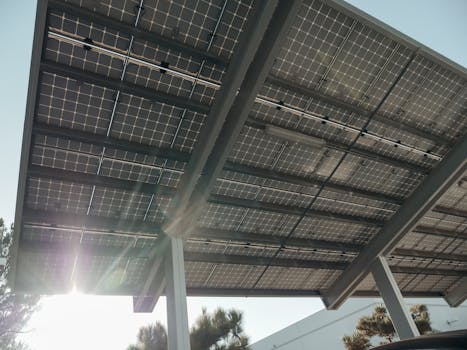
Ever stopped to think about what actually holds up our modern world? We’re talking about everything from towering skyscrapers to bridges that span vast distances. For a long time, construction has relied on tried-and-true methods, but the landscape is rapidly evolving. This is where the fascinating world of structural technologies VSL comes into play, promising to revolutionize how we design, build, and maintain our infrastructure.
So, what exactly are we talking about when we say “structural technologies VSL”? It’s not just about stronger concrete or fancier steel. It encompasses a holistic approach, integrating cutting-edge engineering, advanced materials, and innovative methodologies to create more resilient, efficient, and sustainable structures. Think of it as the next evolutionary leap in how we construct our built environment.
Beyond the Blueprint: The Core Principles of VSL Technologies
At its heart, VSL (which stands for Viaduc, Souterrain, Longue Durée – French for Viaduct, Underground, Long Duration) is about intelligent design and robust execution. It’s a philosophy that prioritizes durability, adaptability, and a deep understanding of the forces acting upon any structure. When you’re dealing with projects that need to withstand the test of time and extreme conditions, this meticulous approach becomes paramount.
The core principles often revolve around:
Advanced Material Science: Exploring and utilizing materials with superior strength-to-weight ratios, enhanced corrosion resistance, and greater flexibility. This might include high-performance concrete, composite materials, and advanced alloys.
Innovative Design Methodologies: Employing sophisticated modeling and simulation tools to predict structural behavior under various loads and environmental stresses. This allows engineers to optimize designs for maximum efficiency and safety.
Precision Engineering and Construction: Focusing on meticulous execution, often employing prefabrication and modular construction techniques to ensure accuracy and speed.
Long-Term Durability and Maintenance: Designing for longevity from the outset, considering factors like seismic activity, extreme weather, and the ongoing needs for inspection and repair. This proactive approach minimizes future costs and disruptions.
It’s this comprehensive view that sets VSL apart. It’s not just about building it right the first time, but building it right for decades to come.
Why VSL Matters: Tackling Today’s Infrastructure Challenges
Our existing infrastructure, built with the technologies of yesterday, is facing unprecedented challenges. Aging bridges, increased traffic loads, and the growing impacts of climate change demand smarter solutions. This is precisely where structural technologies VSL offers a compelling path forward.
Consider the sheer scale of global infrastructure needs. Repairing and upgrading existing systems is a monumental task, and building new structures requires them to be more resilient than ever before. VSL approaches these challenges head-on by focusing on:
Enhanced Structural Integrity: Creating buildings and bridges that can better resist natural disasters like earthquakes and hurricanes, as well as man-made stresses.
Increased Lifespans: Extending the service life of critical infrastructure, reducing the need for frequent and costly replacements.
Optimized Resource Utilization: Designing structures that require fewer materials and less energy to construct and maintain, contributing to sustainability goals.
Reduced Downtime: Implementing construction and repair methods that minimize disruption to daily life and commerce, which is a huge benefit in urban environments.
In my experience, the ability to preemptively address potential weaknesses and design for longevity is a game-changer. It shifts the focus from reactive fixes to proactive, intelligent engineering.
Exploring Key VSL Technologies in Action
The broad umbrella of structural technologies VSL encompasses a range of specialized applications. Let’s dive into a few key areas where these advancements are making a significant impact.
#### Advanced Post-Tensioning Systems
One of the cornerstones of VSL’s expertise lies in advanced post-tensioning. This technique involves tensioning steel tendons within concrete structures, which significantly increases their load-bearing capacity and resistance to cracking. Think of it as giving a structure an internal muscular support system.
Benefits: This allows for longer spans in bridges, thinner yet stronger slabs in buildings, and improved seismic performance.
Application: You’ll see this used extensively in bridges, high-rise buildings, dams, and offshore platforms. It’s a fundamental technology for creating robust and efficient structures.
#### Specialized Repair and Strengthening Solutions
Beyond new construction, VSL technologies are critical for rehabilitating and strengthening existing infrastructure. This is often more complex than building from scratch, requiring a deep understanding of the original structure’s condition and the forces it will face.
FRP Composites: Fiber Reinforced Polymer (FRP) wraps and bars are increasingly used to strengthen concrete elements. These materials are lightweight, corrosion-resistant, and offer exceptional tensile strength.
Grouting and Injection: Advanced grouting techniques are employed to fill voids, repair cracks, and improve the bond between structural components.
Innovative Protective Coatings: Developing and applying coatings that shield structures from aggressive environmental elements, extending their life and reducing maintenance.
The ability to effectively repair and enhance aging structures is vital for preserving our existing built heritage and ensuring its continued utility.
#### Smart Monitoring and Diagnostics
A truly modern structural technology approach wouldn’t be complete without intelligent monitoring. VSL is at the forefront of integrating sensors and data analytics to provide real-time insights into a structure’s health.
Sensor Networks: Embedding sensors to measure strain, temperature, vibration, and other critical parameters.
Data Analysis: Using sophisticated software to interpret this data, identify anomalies, and predict potential issues before they become critical failures.
Predictive Maintenance: Shifting from scheduled maintenance to condition-based maintenance, optimizing resource allocation and minimizing unexpected problems.
This “smart” aspect is transformative, allowing engineers to actively manage and understand the performance of structures throughout their lifecycle. It’s like giving structures a voice, so they can tell us when they need attention.
Is Structural Technologies VSL Right for Your Project?
Deciding whether to incorporate advanced structural technologies VSL is a strategic decision. It’s not always the cheapest option upfront, but the long-term benefits often far outweigh the initial investment. If your project involves:
Challenging site conditions (e.g., seismic zones, extreme weather).
Demands for exceptional durability and longevity.
A need to minimize construction time and disruption.
A focus on sustainability and reduced lifecycle costs.
* The construction of critical infrastructure where failure is not an option.
Then exploring VSL technologies is almost certainly a worthwhile endeavor. It’s about investing in a future-proof structure.
Wrapping Up: The Future is Stronger, Smarter, and More Sustainable
The evolution of construction is undeniable, and structural technologies VSL represents a significant step forward. By embracing advanced materials, innovative design, and intelligent monitoring, we can build structures that are not only safer and more resilient but also more sustainable and cost-effective in the long run.
My advice? When embarking on a new project, especially one of significant scale or complexity, don’t be afraid to look beyond the conventional. Engage with experts in these advanced technologies, understand their potential, and consider how they can help you achieve your project’s goals and contribute to a more robust built environment for generations to come.